
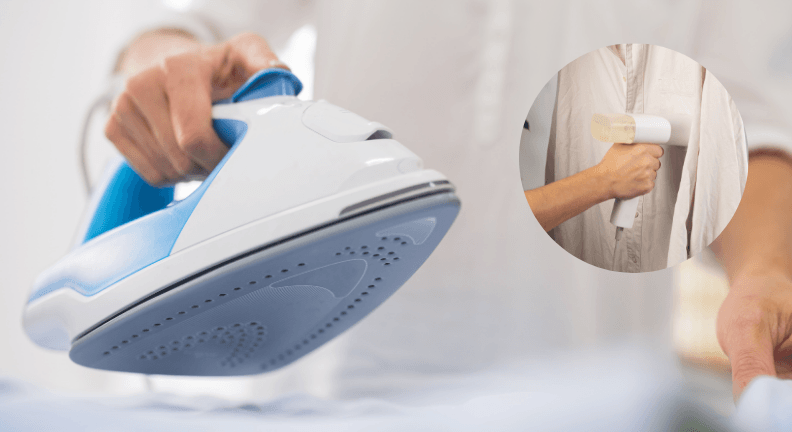
Ironing vs Steaming: Which is Better For Your Clothes
Creases are certainly easy enough to spot. Deciding whether a garment needs ironing or steaming, however, is where it becomes less straightforward.
In the garment steamer vs iron debate, the better option usually depends on the fabric, the finish you want and how much structure the garment is meant to hold. Care labels matter too, because the allowed heat level can vary from one item to another. The difference starts with the way each method treats the fabric.
How Does Ironing and Steaming Work?
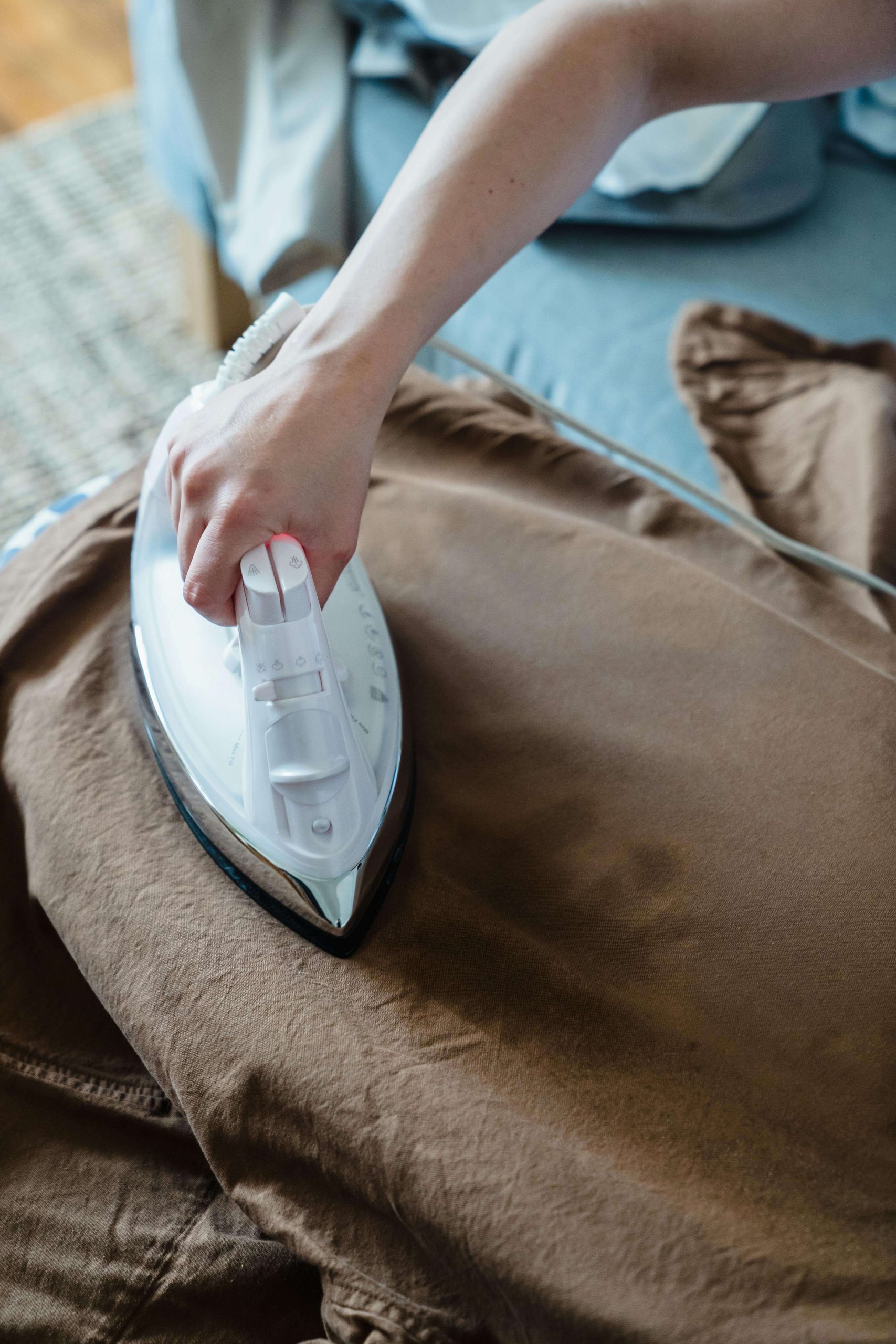
Ironing and steaming both help remove creases from clothing, but they work in different ways and create different finishes. Ironing uses a heated soleplate, often combined with steam, to apply direct heat and pressure to the fabric. This helps smooth wrinkles while also shaping the garment into a sharper, more structured finish.
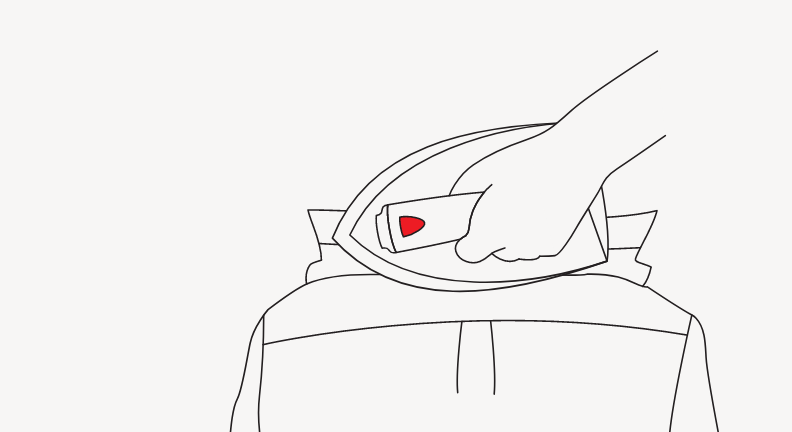
When ironing a shirt for instance, ironing can be particularly useful for areas where definition matters, such as collars, cuffs, pleats, seams and hems. When it comes to how to iron a shirt, for example, the focus is often on pressing areas like the collar, sleeves and yoke to create a cleaner, more polished appearance.
Professional shirt finishing services also tend to combine steam, shaping and hand-pressing to achieve a crisp finish that lasts throughout the day.
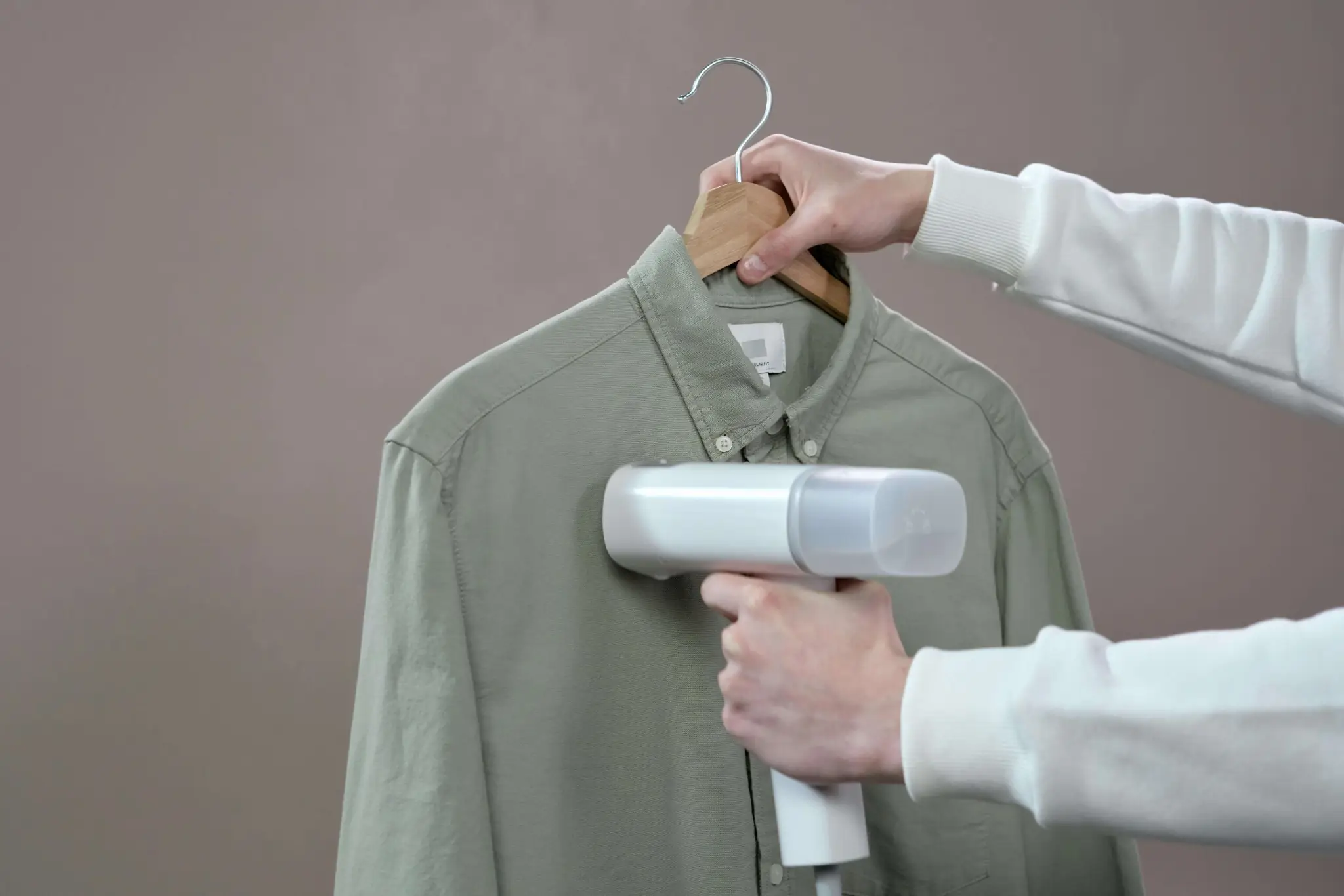
Steaming works more gently by releasing hot vapour onto the fabric, helping fibres relax so lighter creases naturally fall out. It is often better suited to garments that need a quick refresh or softer finish, especially when hanging rather than laid flat.
Steamers can also work well for items that are more awkward to press, including lightly structured dresses, some jackets and garments with delicate detailing.
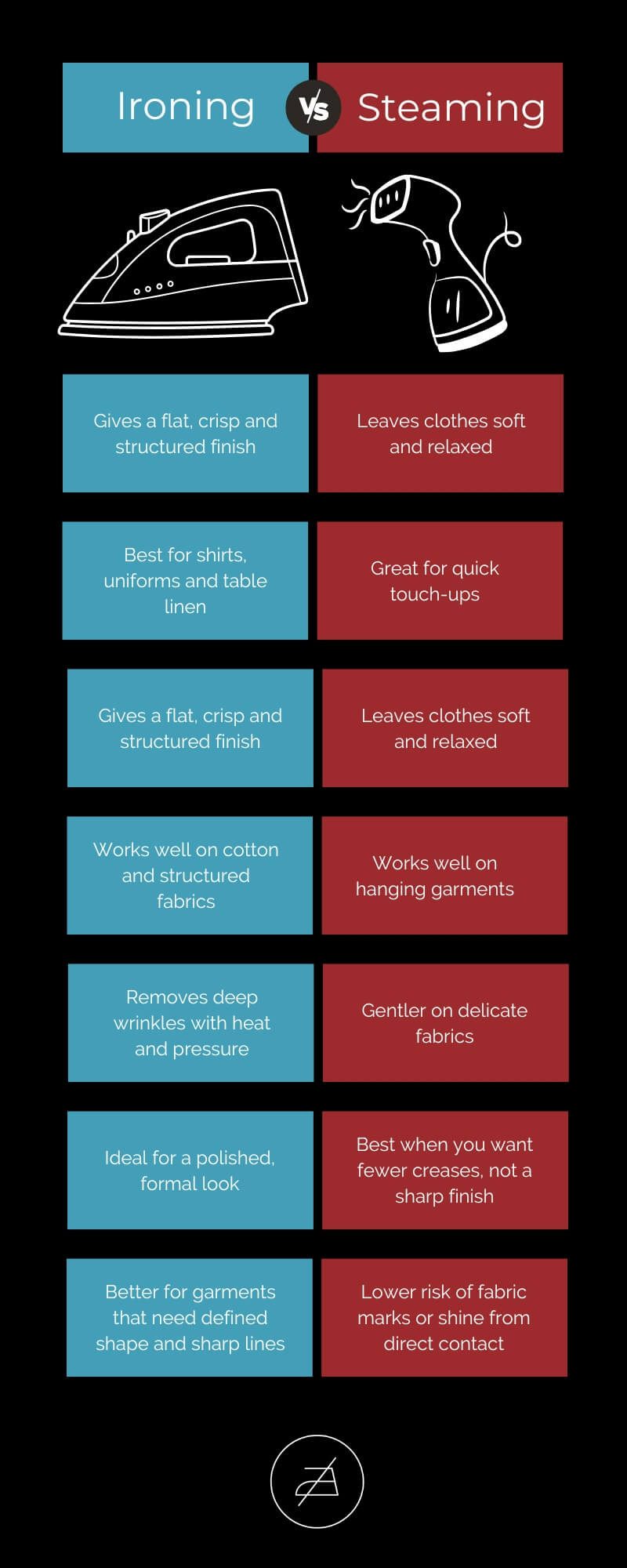
Ironing vs Steaming
The main difference is in the finish. Ironing usually gives clothes a flatter, sharper look, while steaming leaves them softer and more relaxed. Which works better depends on the garment, the result you want and whether the aim is a crisp finish or simply fewer creases.
An iron often makes more sense for shirts, uniforms, table linen, cotton pieces and garments that benefit from definition. It also helps when fabric holds deeper wrinkles that need pressure as well as heat. A steamer can be more convenient for quick touch-ups, garments that hang well and fabrics that may mark under direct pressure. In the end, the choice often comes down to how polished you want the finished result to look.
This is an important distinction in everyday wardrobes.. A shirt for the office, a school uniform or a linen dress for an event often looks more finished when it has been properly pressed. That is also where a professional ironing service can make life easier, taking the uncertainty out of temperature, fabric handling and finishing while giving garments a clean, orderly appearance that can be difficult to achieve in a rush at home.
When to Use an Iron
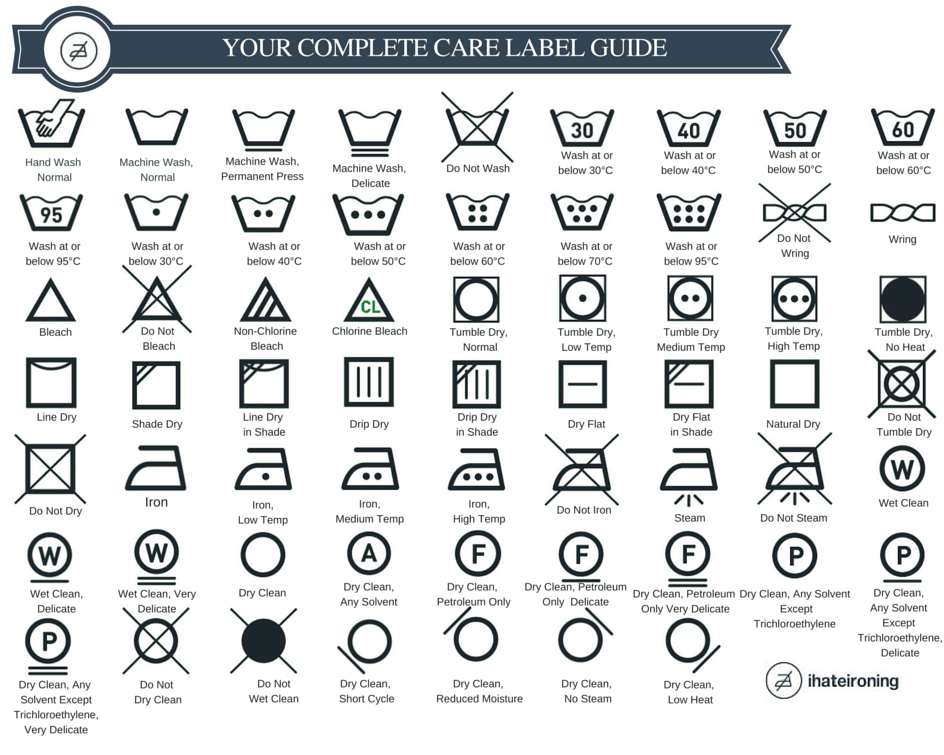
Use an iron when the garment needs shape as much as crease removal. Shirts, cotton blouses, tailored trousers, school uniforms, denim, tablecloths and many linen garments usually sit in this category, provided the care label permits ironing at the right setting. The iron symbols are useful here: one dot points to lower heat, two dots to medium heat, and three dots to higher heat, with linen and cotton commonly falling into the hottest group.
When to Use a Steamer
Some garments only need a light refresh rather than a sharply pressed finish. Softer items, pieces with drape, and clothes that have picked up mild creasing in storage or transit can sometimes respond well to steam. More generally, the aim is to treat each item according to its fabric and finish, which is central to keeping clothes looking their best.
What to Watch Out For When Using an Iron or Steamer
Both methods can go wrong if the fabric is handled carelessly. An iron that is too hot can leave shine, scorch marks or flattened texture, especially on delicate fabrics or darker garments. Steamers may feel gentler, but they can still cause problems if a fabric reacts badly to heat or moisture, or if trims, pleats or embellishments are more fragile than they appear.
That is where things can become expensive. A care label may look straightforward, but blends, linings, interfacing and decorative details can all affect how a garment responds. If there is any doubt, especially with workwear, occasionwear or delicate pieces, professional pressing can be the safer option.
A Quick Checklist for Choosing Between Ironing and Steaming
As a general guide, ironing tends to suit garments that need a crisp, structured finish, such as shirts, uniforms, cotton pieces, table linen and most linen items. Steaming is often better suited to softer garments, lightly creased items, and pieces with drape or delicate surface detail that may be awkward to press directly.
The care label should always have the final say. Silk, synthetics, embellishments and blended fabrics can be more sensitive than they look, so it is worth checking before applying either direct heat or steam.
Do Dry Cleaners Iron or Steam Clothes?
Dry cleaners usually rely more on ironing than garment steaming to finish clothes properly. Many professional cleaners use steam irons rather than basic hot-plate irons, which gives them more control and can be better suited to delicate fabrics. Shirts are often pressed while still slightly damp and may be finished on specialist equipment that uses steam, hot air and tension before details such as cuffs and lapels are pressed by hand.
Is a Steamer Better Than an Iron for Delicate Fabrics?
For delicate fabrics, direct heat and pressure need more care. Some items, such as silk, lightweight synthetics and embellished pieces, can be more prone to shine, marking or surface damage if handled incorrectly. That does not automatically make steaming the better option. Some garments can be pressed carefully on a low setting with a cloth barrier, while others are better handled by a professional. As ever, the care label is the safest place to start.
Is It Better to Steam or Iron Linen Specifically?
Linen is one of the clearest cases for ironing. It creases easily and usually responds best to direct heat and pressure, especially when the fabric is still slightly damp. Steaming can help soften lighter wrinkles, particularly on looser items, but it does not usually give the same smooth finish around collars, hems, plackets or trouser legs. If you want linen to look neat and well defined, ironing is usually the better option.
Ultimately, the choice comes down to the fabric, the finish you want and how much structure the garment needs to hold. Steaming can be useful for lighter refreshes, but ironing is usually the better option when clothes need to look neat, polished and properly finished, especially in fabrics such as cotton and linen. For anyone short on time, or dealing with garments that are awkward to press at home, ihateironing’s ironing service within London and the UK offers a convenient way to keep clothes looking their best without the trial and error.

ihateironing is a network of professional dry cleaners providing the finest dry cleaning and laundry service with convenient collection and delivery at any times that suit you. We operate in London, New York, Brighton, Edinburgh, Oxford, and beyond.