
Wash and Fold vs Dry Cleaning
Choosing a laundry service can be confusing when wash and fold, wash and press, and dry cleaning all seem to cover similar ground. The price difference is often easy to spot, but what each service actually does for your clothes can be harder to understand.
The right choice depends on the item in front of you: how it is cleaned, how it should be finished, and whether the fabric needs everyday laundering or more careful handling. Some items may need to be washed on gentler settings, while others are dry clean only. When you send your clothes to a professional laundry service like ihateironing, the cleaning experts will always follow the care label instructions.
What is wash and fold?
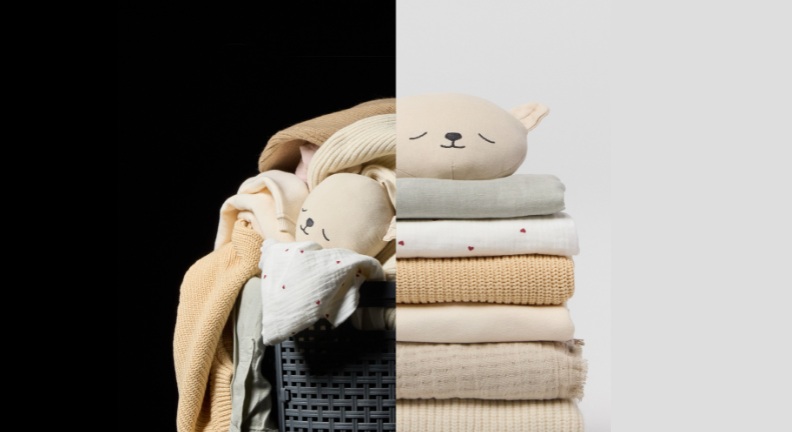
Wash and fold is a laundry service for everyday items that can be machine washed and dried, without being ironed. Clothes are cleaned and dried on a gentle setting and then folded, so they come back fresh and easy to store.
It is best suited to regular laundry loads, such as T-shirts, pyjamas, underwear, socks, towels, gym kit and washable bed linen. These are the kinds of items that need reliable cleaning rather than a pressed finish or dry cleaning
Cleaning labels on items will always tell you what the best method and setting for cleaning is.
How does wash and fold work?
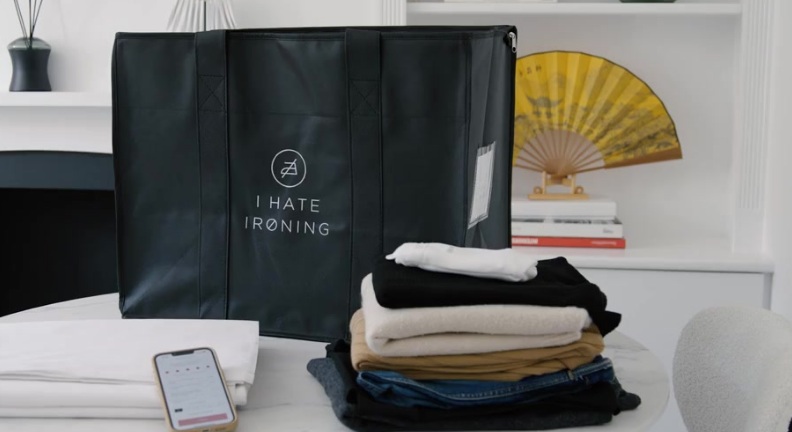
The process is straightforward. You book a collection on the ihateironing website, send your laundry in a disposable bag, and clothes are washed, dried, folded and delivered back to you. Your items will be separated by darks and lights to avoid colour running during the wash, and care labels are followed closely to make sure the drying settings are suitable for the type of fabric.
If you’d prefer a crisper finish, wash and press may be more suitable. This is where garments are washed and ironed individually rather than simply folded. You can get your clothes returned on hangers or folded based on your preference for storage.
What is dry cleaning?
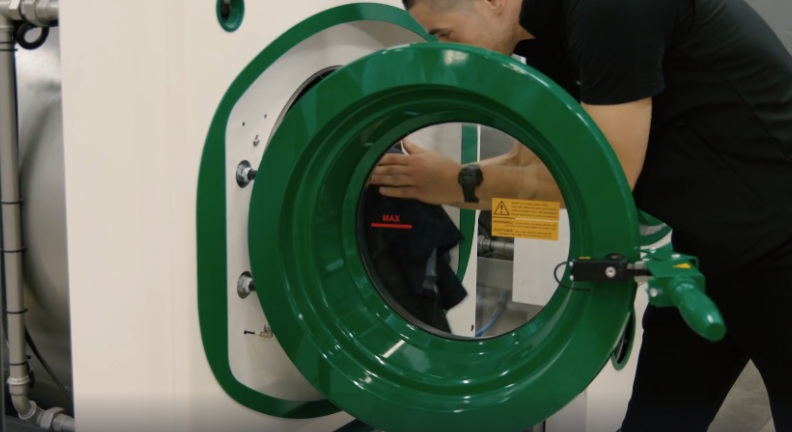
Dry cleaning is a professional process that uses a solvent rather than a water-based wash. It is intended for items that may not respond well to machine washing, especially those with tailoring, lining, delicate fabric, embellishment or structure.
A dry clean usually includes inspection, cleaning, drying and finishing. The item is then pressed or steamed according to the garment, which is why the cost can vary depending on the fabric, garment type and level of care required. A suit jacket, silk dress or winter coat will usually need more individual handling than a simple washable T-shirt.
Read more about how dry cleaning works.
Price differences between laundry services and dry cleaning
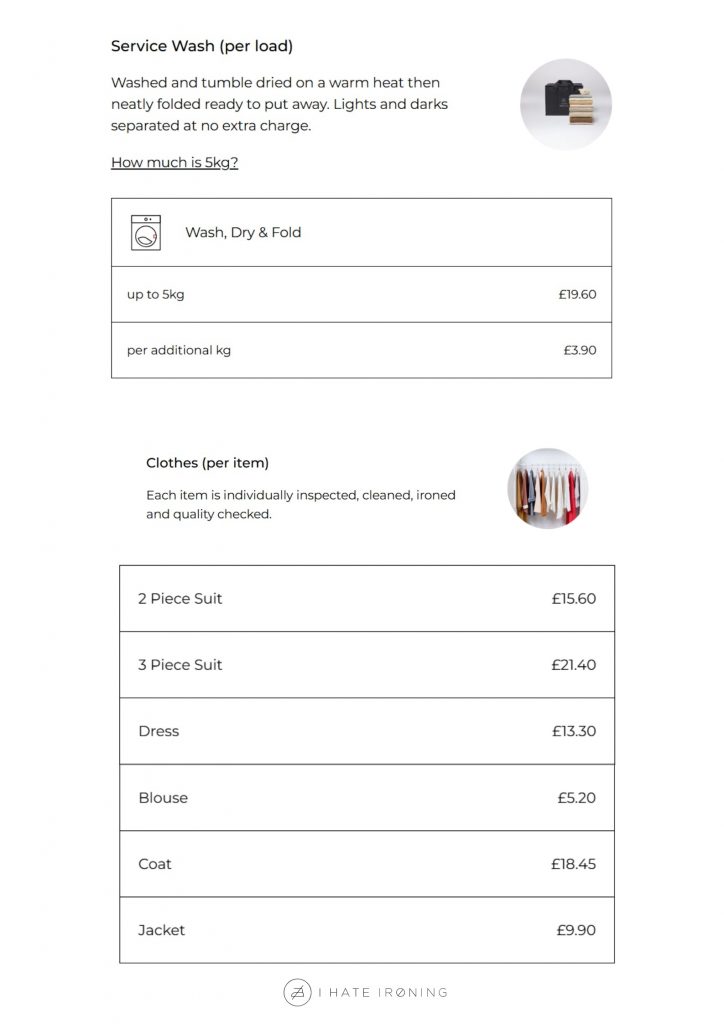
Price is one of the main reasons people compare wash and fold, wash and press, and dry cleaning. With ihateironing, wash, dry and fold starts from £19.60 for up to 5kg, with each additional kg charged at £3.90. This can work well for regular laundry loads, where several everyday items are cleaned together.
Wash and press and dry cleaning are priced differently because they involve more individual handling. Items are usually charged separately when they need to be inspected, cleaned, ironed and quality checked one by one, such as shirts, coats, suits and delicate garments.
There is also a £20 minimum order and a £1.99 service fee, with collection and delivery included. This helps make the total clearer when comparing a weekly laundry load with individual items that need pressing or dry cleaning.
Key differences: wash and fold vs dry cleaning
The main difference is the cleaning method. Everyday laundry is washed in water, dried and folded, while dry cleaning uses solvent for garments that need a more careful process.
Finish is another important point. Folded laundry can go straight into drawers or cupboards. Wash and press is a better fit when washable items need to come back looking neater, while dry cleaning is often chosen for clothes that need to hold their shape or be professionally finished.
Which fabrics need dry cleaning?
Some fabrics and garments are more likely to need dry cleaning because they can shrink, lose shape, change texture or become damaged in a normal wash. This may include wool coats, suits, silk garments, delicate dresses, some cashmere pieces, leather, suede and clothing with complex trims or linings.
The care label should be the first check. Understanding laundry symbols can help you see whether an item can be washed, tumble dried, ironed or dry cleaned, especially when the label is not immediately clear.
This is particularly important with “dry clean only” garments. In ihateironing’s study, 46% of people said they had knowingly washed a dry-clean-only garment. That may be tempting when the laundry basket is full and you need to get the load sorted as quickly as possible, but it can be risky if the fabric or construction was not designed for water and heat.

Which fabrics are fine for wash and fold?
Everyday cottons, sportswear, underwear, socks, pyjamas, towels and washable sheets are usually good candidates, provided the care label allows machine washing and drying.
This service is especially handy for the laundry that piles up during the week, where you mainly want everything cleaned, dried and folded without spending the evening sorting it yourself.
For work shirts, blouses, bedding or anything that creases easily, wash and press may give a neater finish.
Which is better for your clothes?
The right choice depends on the garment. Everyday items that can be machine washed and dried are usually well suited to wash and fold, while anything delicate, structured or marked dry clean only may need dry cleaning.
A cotton T-shirt and a tailored blazer need different care. One may only need washing and folding, while the other may need professional dry cleaning to help protect its shape, lining and finish.
How to choose the right option
Start with the care label, then look at the item itself. Everyday clothes, towels and washable bedding can usually go into wash and fold. Shirts, blouses and items that crease easily may suit wash and press. Delicate fabrics, tailored pieces and anything marked dry clean only should usually be dry cleaned.
When you send your clothes to a professional service, the care label will always be followed by the cleaning experts. However, you can always send in your requirements if you’d like a specific finish, such as having the clothes pressed, or returned on hangers.
It is also worth thinking about how much time you want to spend on the laundry itself. Washing at home can work well for smaller loads, while a laundrette may be useful if you have bulky items or do not have enough drying space. An on-demand laundry service removes the trip altogether, with collection, cleaning and delivery arranged around your schedule.
For mixed laundry loads, fabrics you would rather not risk, or clothes that need a more careful finish, choosing the right service can remove some of the guesswork. ihateironing’s laundry and dry cleaning services offer a simple way to keep everyday items clean and folded while giving more delicate garments the right level of care.


ihateironing is a network of professional dry cleaners providing the finest dry cleaning and laundry service with convenient collection and delivery at any times that suit you. We operate in London, New York, Brighton, Edinburgh, Oxford, and beyond.