
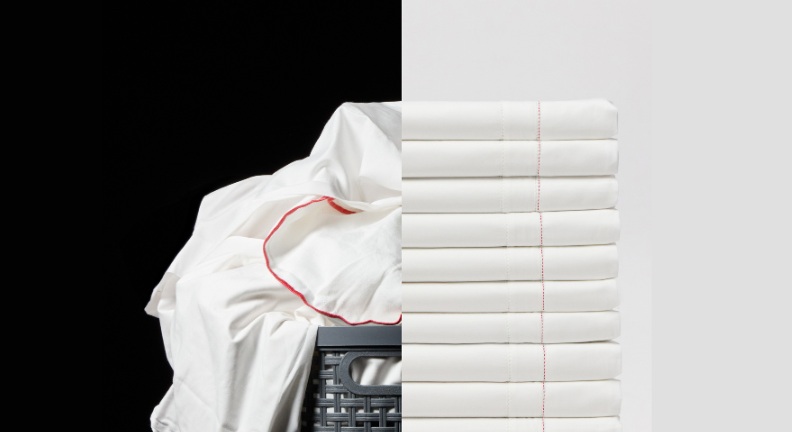
How Often Should You Wash Your Bed Sheets?
Fresh bed sheets do more than make a bed look inviting. They help manage the everyday build-up that comes from sleep itself: sweat, body oils, dead skin, skincare residue, dust and, for some households, pet hair and pollen. Over time, that mix can leave bedding feeling less comfortable and less fresh, even when it still looks clean.
The best schedule tends to depend on everyday life. Night sweats, allergies, pets, illness and even the time of year can all affect how quickly sheets start to feel less fresh. And while changing them sounds straightforward, the reality can be less convenient when you are dealing with bulky loads, limited drying space and bedding hanging over doors, radiators or bannisters just to get everything dry.
The Importance of Clean Bed Sheets
If you have ever climbed into bed and realised the sheets feel a little flat, faintly stale or simply past their best, you will know how much difference fresh bedding can make. Clean sheets tend to feel better against the skin, smell fresher and make the whole bed feel more luxurious, which is not nothing when you spend a third of your life in it.
There is also a practical side to it. Leaving sheets on too long can make stains harder to remove and may shorten the life of the fabric over time, especially when sweat and body oils are left to settle in. For higher-quality cotton, linen or luxury bedding, regular care can help keep the fabric in better condition.
How Often Should You Change Your Bed Sheets?
For most people, once a week is a good benchmark. If that sounds more frequent than expected, it helps to remember how many hours a night sheets are in close contact with skin and hair.
A guest bed or spare room may not need quite the same routine. If it is only used occasionally, washing the sheets between guests is often enough, or after a couple of weeks if someone has stayed for more than a night or two. A bed that is slept in every night will usually need more regular attention, however optimistic you may feel when giving the pillowcase a quick visual assessment.
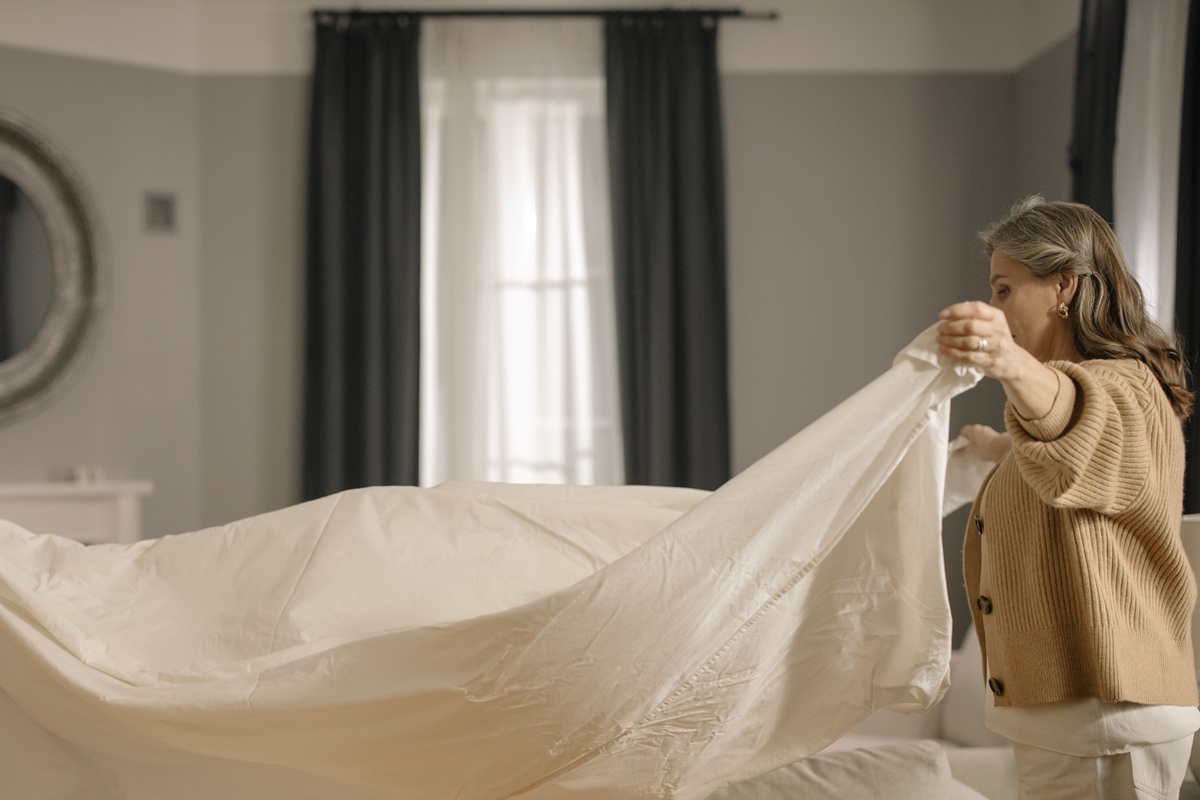
Factors That Affect How Often You Should Wash Sheets
A weekly routine may need tightening up if you sweat heavily at night, sleep with pets, eat in bed, have sensitive skin or are getting over an illness. During hot weather, after a fever, or in pollen season, sheets can start to feel stale more quickly.
Allergies are another factor. If dust mites or pollen tend to trigger symptoms, a more consistent wash routine can make a noticeable difference. Pets can also bring extra hair, dirt and outdoor allergens into the bed, even when they look perfectly clean.
The way bedding is washed matters too. Our study found that only 3% of people are confident that they know all the laundry symbols, with 30% saying they know most of them. Separately, 43% said they have ruined or damaged garments in the washing machine, with shrinking the most common problem among that group.
How Often Do Brits Actually Change Bed Sheets?
There is often a gap between what people intend to do and what actually happens once the week gets away from them. Washing bed linen can be awkward at home, particularly if you are dealing with larger loads, limited drying space or the familiar sight of duvet covers hanging over doors, bannisters and radiators while the house slowly turns into a fabric obstacle course.
That kind of friction matters. The same IHI study found that bedding is one of the items people dread washing most, with 28% selecting it. In real life, sheet-washing habits are often shaped as much by time, drying space and domestic patience as by hygiene.
For households that want a more reliable routine, bed linen or duvet laundry make the process far more manageable, especially if you want collections scheduled every week or two.
Signs Your Bed Sheets Need Washing Now
Sometimes the calendar is less useful than the sheets themselves. A bed sheets change is probably due sooner if:
- The fabric smells stale rather than fresh
- You can see marks, spills or makeup residue
- The sheets feel damp, clammy or less crisp than usual
- Allergy symptoms seem worse in bed
- You have been ill, sweating more than usual, or sharing the bed with pets
How Often Should You Change Other Bedding?
Sheets are only part of the picture. Pillowcases are usually worth washing weekly, and more
often if you use heavy skincare or hair products. Duvet covers are often washed weekly or every couple of weeks, depending on use. Duvets, pillows and mattress toppers need less frequent cleaning, but they should still be part of the overall routine.
This is often where the larger items get pushed back. Knowing how often to wash a duvet can help with the pieces that are easiest to leave too long, usually because they are bulky, awkward to wash or easy to postpone.
If you’re unsure where to start, our essential duvet cleaning guide covers how often to clean different types of duvets, along with practical washing and drying advice.
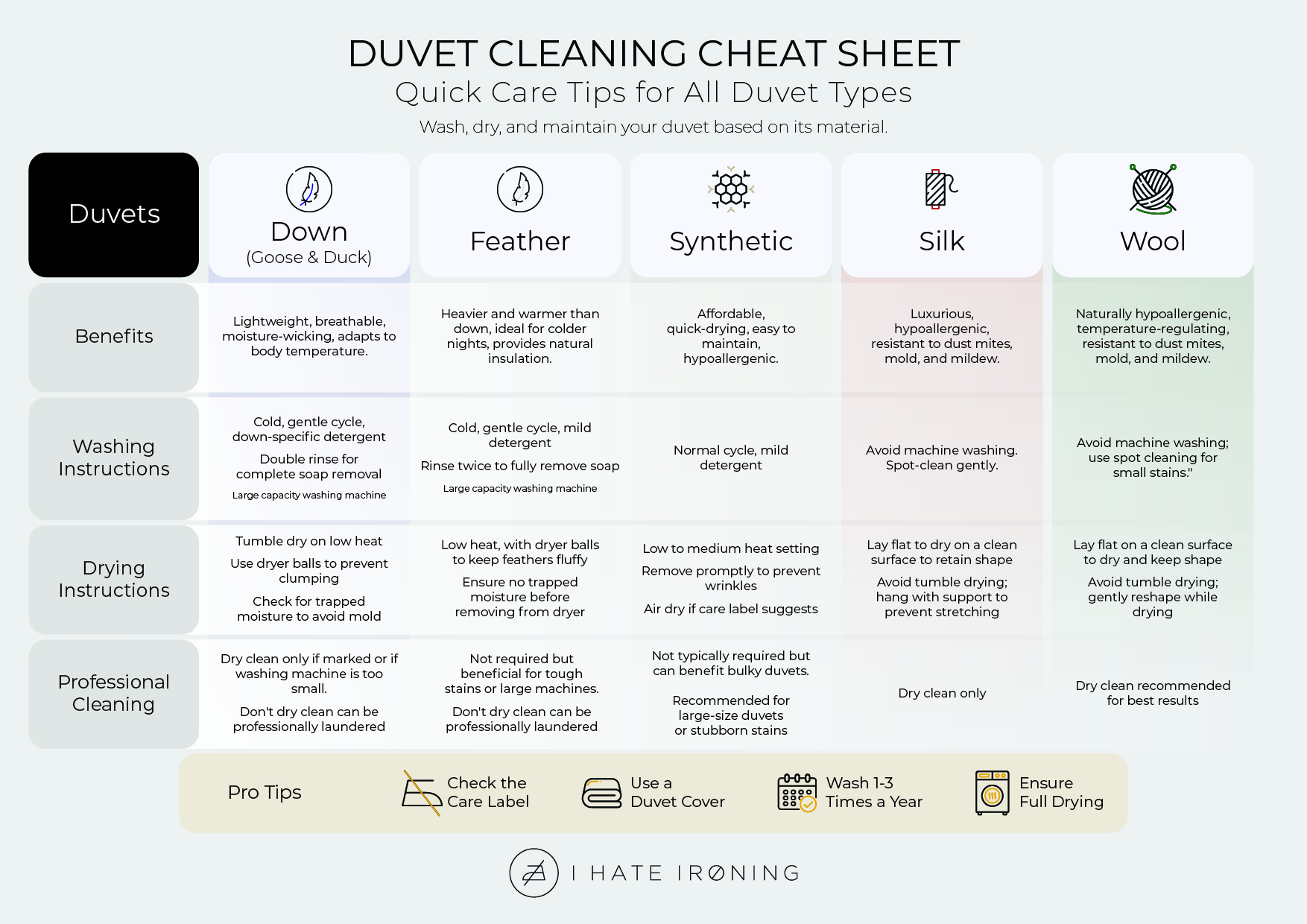
For households that want bedding to feel consistently fresh without the hassle of washing and drying it all at home, professional bed linen and duvet cleaning can be a worthwhile option. It is especially useful for higher-quality sheets, larger linen loads or regular bedding changes that are easy to fall behind on.
Can You Get Your Sheets Professionally Cleaned?
Professional cleaning can also help reduce some of the trial and error that comes with home laundry, particularly when you are trying to keep fabrics feeling soft, looking bright and drying properly rather than having to air your sheets at home.
Tips for Washing Bed Sheets Properly
Wash sheets separately from everyday clothing where possible, avoid cramming too much into the machine, and check the care label before choosing temperature and cycle. Cotton sheets can often cope with warmer washes, while some blends or luxury fabrics need gentler treatment.
It also helps to dry them thoroughly before putting them back on the bed. Damp bedding stored too soon can pick up that slightly sour smell nobody wants lingering in the bedroom.
For busy households, having bedding professionally laundered can make the routine much easier to stay on top of, while also helping sheets and other bed linen keep their shape, softness and finish over time. That can be particularly helpful for larger items, premium fabrics or anyone who would rather not spend half the day wrestling with fitted sheets and finding space to dry everything indoors.
Read more about Bedding and Bed Linen.

ihateironing is a network of professional dry cleaners providing the finest dry cleaning and laundry service with convenient collection and delivery at any times that suit you. We operate in London, New York, Brighton, Edinburgh, Oxford, and beyond.